
ir reflective coating for glass
How to Change the Main Water Valve Changing the main water valve in your home is an important task that can prevent potential water-related issues. Whether you are replacing a malfunctioning valve or simply upgrading to a more efficient model, the process can be straightforward with the right tools and guidance. Here’s a step-by-step guide on how to change the main water valve. Step 1 Gather Your Materials Before starting the replacement process, make sure you have all the necessary materials. You will need - A new main water valve (make sure it matches your existing one) - Pipe wrenches - Adjustable wrench - Teflon tape - A bucket or towel to catch any water - Safety goggles Step 2 Locate the Main Water Valve The main water valve is usually located near where the water line enters your home. It can be found in a basement, crawl space, or outside near the foundation. Identify which valve you need to replace by testing its functionality; turn it to see if it properly shuts off the water supply. Step 3 Shut Off the Water Supply Before you proceed with changing the valve, it is crucial to turn off the water supply to your home. This can usually be done by finding the main shut-off valve, which may be located close to where the water line enters your house. Once you have turned off the water, open a few faucets to relieve any remaining pressure in the pipes. Step 4 Drain the Pipes Once the water is turned off, it is advisable to drain the remaining water from the pipes. This can be done by opening fixtures in your home and letting them run until the water stops flowing. Using a bucket or a towel can help catch any residual water that may spill out during the valve change. how to change main water valve Step 5 Remove the Old Valve Using a pipe wrench, carefully loosen the nuts connecting the old valve to the pipes. Keep in mind that there may still be some residual water, so be prepared for a little spillage. Once you have loosened the connections, remove the old valve from the water line. Step 6 Install the New Valve Take your new valve and wrap Teflon tape around the threaded ends to ensure a watertight seal. Attach the new valve to the pipes, tightening the connections carefully with the pipe wrench. Avoid over-tightening, as this may damage the threads. Step 7 Test for Leaks With your new valve installed, it’s time to turn the water supply back on. Slowly open the main shut-off valve and check for leaks around the new valve. If you see any dripping, tighten the connections slightly until they stop leaking. Step 8 Clean Up After confirming that everything is working properly and there are no leaks, clean up your workspace. Dispose of the old valve and any towels or buckets used to catch spillage. Conclusion Changing the main water valve may seem daunting, but with careful preparation and attention to detail, it’s a task that many homeowners can tackle themselves. Always remember to prioritize safety and take your time to ensure everything is done correctly. If at any point you feel uncertain, don’t hesitate to consult a professional plumber. By following these steps, you can secure a reliable water supply for your home and avoid future plumbing issues.
about
ir reflective coating for glass
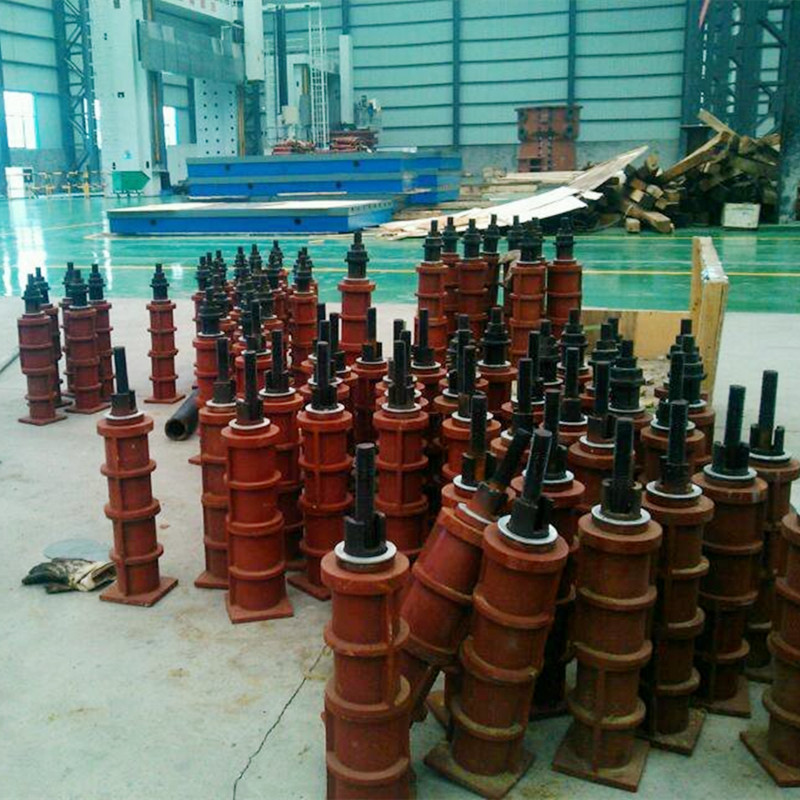
The Importance of Rubber Pads in Anti-Vibration Solutions In various industries and applications, vibration is an omnipresent issue that can lead to significant problems, including equipment wear and tear, operational inefficiencies, and even safety hazards. To mitigate these problems, many professionals turn to rubber pads specifically designed for anti-vibration purposes. These pads offer an effective solution to dampen vibrations, increase operational lifespan, and enhance overall safety. Understanding Vibration Vibration occurs when machinery or equipment operates, creating oscillations that can be transmitted through structures. These oscillations can originate from motors, compressors, generators, or any heavy machinery. The effects of these vibrations can be detrimental; they not only lead to physical damage to machines but can also cause noise pollution, discomfort for individuals, and decreased efficiency in production processes. The Role of Rubber Pads Rubber pads serve as resilient barriers between vibrating machinery and the surfaces it rests upon, effectively absorbing and dissipating the energy generated by vibrations. Their unique material properties allow them to travel through waves and convert them into minor heat, thus minimizing the noise and vibrations transmitted to floors, walls, and other structures. This quality makes rubber pads an essential component in numerous settings, such as manufacturing plants, HVAC systems, and even residential buildings. Material Composition and Design The effectiveness of rubber pads in anti-vibration applications largely depends on their material composition and design. Generally, rubber pads are made from synthetic or natural rubber, often combined with additives to enhance durability and performance. The pads come in varied shapes, sizes, and densities to cater to specific vibration frequencies and load capacities. For example, softer rubber pads are designed to dampen higher-frequency vibrations, while firmer versions are suited for lower frequencies and heavier loads. rubber pad anti vibration Benefits of Using Rubber Pads 1. Vibration Dampening By absorbing vibrations at the source, rubber pads significantly reduce the amount of energy transmitted to surrounding structures, which can prolong the life of machinery and minimize maintenance costs. 2. Noise Reduction In addition to controlling vibrations, rubber pads also contribute to noise abatement, making environments more conducive to work, sleep, and other activities. 3. Increased Safety Excessive vibrations can lead to equipment failure and safety hazards. By using rubber pads, businesses can create a safer working environment for employees and reduce the risk of accidents. 4. Cost-Effective Solution Implementing rubber pads as a part of an anti-vibration strategy can yield substantial cost savings. Their ability to prevent costly repairs and replacements makes them a valuable investment for businesses of all sizes. 5. Versatility Rubber pads can be used in various applications, from industrial machinery to home appliances, making them a universal solution for vibration control. In construction, they can be placed under heavy machinery to ensure stability and precision; in vehicles, they reduce road noise and improve comfort. Conclusion In conclusion, the use of rubber pads for anti-vibration applications is crucial in today’s fast-paced industrial landscape. They help extend the life of machinery, enhance operational efficiency, improve workplace comfort, and promote safety. As industries continue to evolve, the demand for effective vibration dampening solutions will likely grow, underscoring the importance of rubber pads in engineering and construction. By investing in high-quality rubber pads, businesses can not only defend against the detrimental effects of vibration but also foster a more productive and safer environment for all.
-

High quality industrial productsagement

High quality industrial products
View Details -

Meet the diverse needs of customers

Meet the diverse needs of customers
View Details -

Strict quality control

Strict quality control
View Details -

Top raw materials

Top raw materials
View Details -

Trusted supplier

Trusted supplier
View Details
Our application


news and information

Vibration Isolation Pads for Enhanced Equipment Performance and Longevity
Understanding Vibration Mounting Pads Importance and Applications Vibration isolation is a critical
valvola di ritegno non slam
Valvole di Non Ritorno Un'Analisi Approfondita Le valvole di non ritorno, conosciute anche come valv

Water Supply System Check Valve Inspection and Maintenance Guide
Understanding Water Main Check Valves Importance and Functionality Water main check valves play a cr
 English